
1967 Ohio State
6–3 (5–2 Big Ten), coached by Woody Hayes. Share
Schedule and results
- Biggest winBeat Oregon 30–0Oct 7
By 30 points, its widest win.
| Date | Opponent | Result | Elo |
|---|---|---|---|
| Sep 30 | vs Arizona | L 7–14 | 70% |
| Oct 7 | at Oregon | W 30–0 | 50% |
| Oct 14 | vs 2Purdue | L 6–41 | 38% |
| Oct 21 | at Northwestern | W 6–2 | 50% |
| Oct 28 | vs Illinois | L 13–17 | 67% |
| Nov 4 | at Michigan State | W 21–7 | 27% |
| Nov 11 | vs Wisconsin | W 17–15 | 81% |
| Nov 18 | vs Iowa | W 21–10 | 81% |
| Nov 25 | at Michigan | W 24–14 | 44% |
Elo: a pregame chance from scores alone.
How it ended: Beat Michigan 24–14; unranked in the final AP poll; 4th in the Big Ten.
In program history: The 96th-best season in program history by end-of-season Elo (of 128 on file).
Players on this team
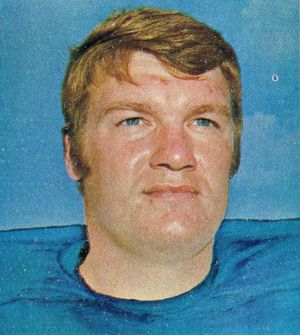 Dave FoleyOffensive tackle
- Rufus MayesOffensive tackle
- Chuck HutchisonGuard
- Jan WhiteTight end
- Bo ReinReceiver
Before 2004 our records hold honors and the draft; these are the players whose college years here, from their Wikipedia articles or their honors, include 1967.
- Record
- 6–3
- Conference
- 5–2 4th in Big Ten
- AP final
- Unranked
- Points
- 145–120
- Coach
- Woody Hayes
- Elo
- 1564 +53 this season
- SP+ rating
- —
- SRS
- 2.4 No. 50 of 118 major-college teams
- Recruiting class
- —
- Captains
- Bill Ray Anders and Sam Elliott
- Most valuable player
- Dirk Worden
- Offense
- Single-wing / T formation
Drafted in 1968
The 1968 draft| Rd 3 | Richard Himes OT | Green Bay Packers |
All-Big Ten
3 first team, 2 second teamFirst team
 Billy AndersEUPI-1
- Dick HimesOTAP-1; UPI-1
- Dirk WordenLB
Second team
- Dave FoleyOTUPI-2
- Ted ProvostDBAP-2; UPI-2
From Wikipedia’s 1967 all-conference team article, with the selectors that named each player (AP-1: the Associated Press’s first team).
1967 Big Ten standings
Conference page| Team | Conf. | Overall | AP final |
|---|---|---|---|
 Indiana | 6–1 | 9–2 | 4 |
 Minnesota | 6–1 | 8–2 | |
| Purdue | 6–1 | 8–2 | 9 |
| Ohio State | 5–2 | 6–3 | |
| Michigan | 3–4 | 4–6 | |
| Illinois | 3–4 | 4–6 | |
| Michigan State | 3–4 | 3–7 | |
| Northwestern | 2–5 | 3–7 | |
| Iowa | 0–6–1 | 1–8–1 | |
| Wisconsin | 0–6–1 | 0–9–1 |
Ordered by conference winning percentage, then conference wins. Division splits and tiebreakers aren’t applied.